Products
Product Information and Technical Materials
01
Guide Extension Catheter
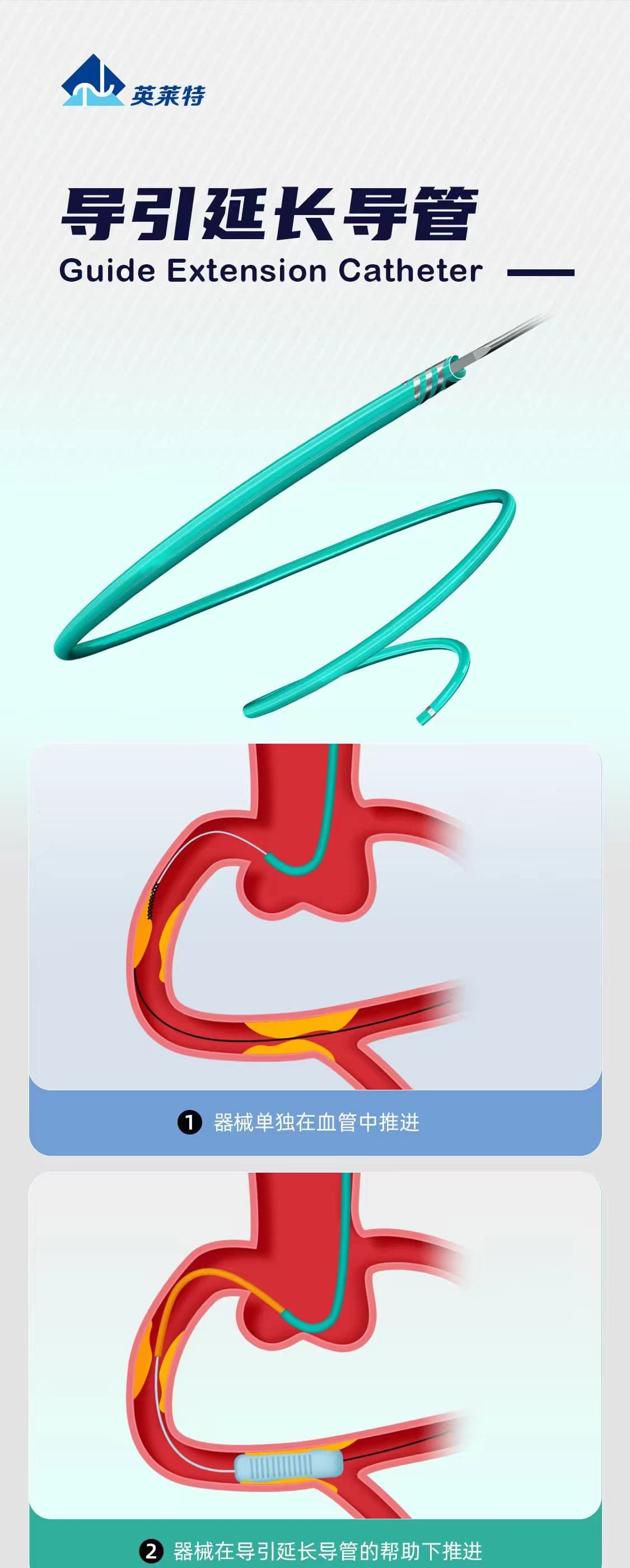
Used with a guide catheter to provide stronger back-up support and improved device delivery in complex coronary intervention.


Product overview
Shows device form, access pathway, and the supporting role of the guide extension catheter in procedure flow.

01
Guide Extension Catheter
Used with a guide catheter to provide stronger back-up support and improved device delivery in complex coronary intervention.
The guide extension catheter is intended to support device delivery in complex coronary intervention. When used together with a guide catheter, it can extend access into the target vessel region and provide a more stable pathway for balloons, stents, and other interventional devices to reach the lesion site.
Applications
Difficult device delivery in complex lesions
Calcified or tortuous vessel pathways
Distal lesions or cases with insufficient guide support
Key highlights
Enhanced back-up support
Improved device deliverability
Suitable for complex PCI access support
Product positioning
An access-support device used together with a guide catheter.
Helps balloons, stents, and other interventional devices reach discrete target vessel regions more smoothly.
Positioned as a key auxiliary delivery product in complex coronary intervention.
Typical scenarios
Difficult device passage in complex lesions.
Calcified lesions or tortuous vessels that increase resistance during advancement.
Distal lesions, unfavorable take-offs, or guide back-out situations that require additional support.
Clinical value
Provides extra back-up support during complex PCI procedures.
Helps interventional devices navigate complex pathways and reach the lesion site more smoothly.
Plays an important supporting role in the company's access-device portfolio.
Key specifications
Registration Certificate No.
NMPA Registration No. 20263030586
Positioning
Access-support guide extension catheter
Core value
Back-up support & device delivery
Best-fit cases
Complex lesion / distal path / tortuous vessel
Typical devices
Balloons / stents / interventional devices
02
Peripheral Thrombectomy Aspiration Catheter
A system solution for lower-limb venous and peripheral thrombus aspiration, combining catheter, separator, and control support.


System overview
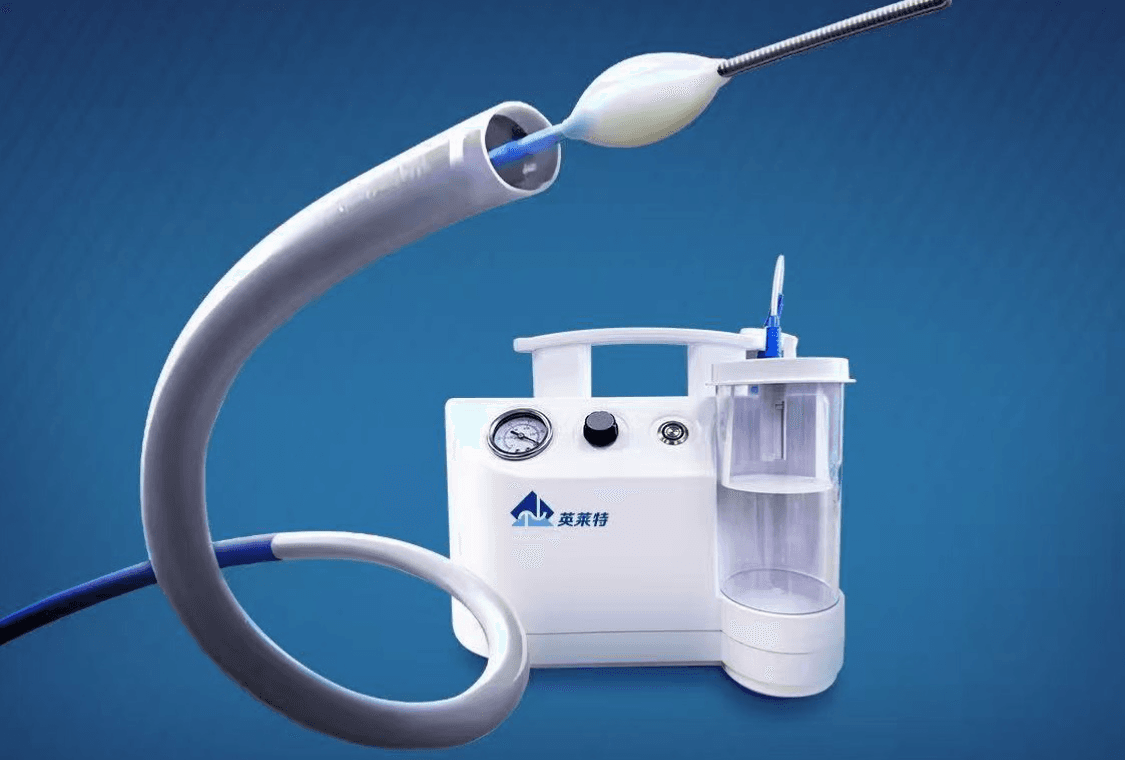
Shows the overall aspiration-system structure, workflow logic, and the treatment context it addresses.

02
Peripheral Thrombectomy Aspiration Catheter
A system solution for lower-limb venous and peripheral thrombus aspiration, combining catheter, separator, and control support.
This product is intended for thrombus-burden removal in lower-limb venous and other peripheral vascular aspiration scenarios. It works as a system combining aspiration catheter, peripheral aspiration separator, and control support to improve clot-removal efficiency and procedural continuity. When aspiration flow is affected by catheter blockage, the separator can be used to help restore catheter patency and continue thrombectomy.
Applications
Lower-limb deep vein thrombus aspiration
Peripheral venous thrombus-burden removal related to VTE
Peripheral thrombectomy scenarios requiring catheter aspiration with separator support
Key highlights
System-level aspiration solution
Separator-assisted catheter patency recovery
Suitable for peripheral venous thrombus-burden removal
System composition
Composed of aspiration catheter, peripheral aspiration separator, and control system.
The aspiration catheter removes thrombus burden while the control system provides continuous vacuum support.
The separator helps maintain catheter working patency during aspiration and supports ongoing clot removal.
Typical scenarios
Lower-limb deep vein thrombus and other peripheral venous thrombus-burden removal.
Scenarios requiring rapid aspiration-based restoration of blood flow.
Procedures where catheter blockage may occur and separator-assisted patency recovery is valuable.
Product value
Improves peripheral thrombus aspiration efficiency through a system approach rather than a single catheter format.
Supports procedural continuity through catheter-and-separator coordination.
Designed as a combination device solution for peripheral venous thrombectomy treatment.
Key specifications
Registration Certificate No.
NMPA Registration No. 20263030598
Product form
Peripheral thrombectomy aspiration system
Core components
Aspiration catheter / peripheral separator / control system
Primary focus
Lower-limb venous & peripheral thrombus-burden removal
System characteristic
Coordinated aspiration and separator support
03
Registration and clinical preparationFFR Optical Pressure Guidewire
Combining fiber-optic sensing, guidewire structure, and the FFR measurement system into one diagnostic product story.

03
Registration and clinical preparationFFR Optical Pressure Guidewire
Combining fiber-optic sensing, guidewire structure, and the FFR measurement system into one diagnostic product story.
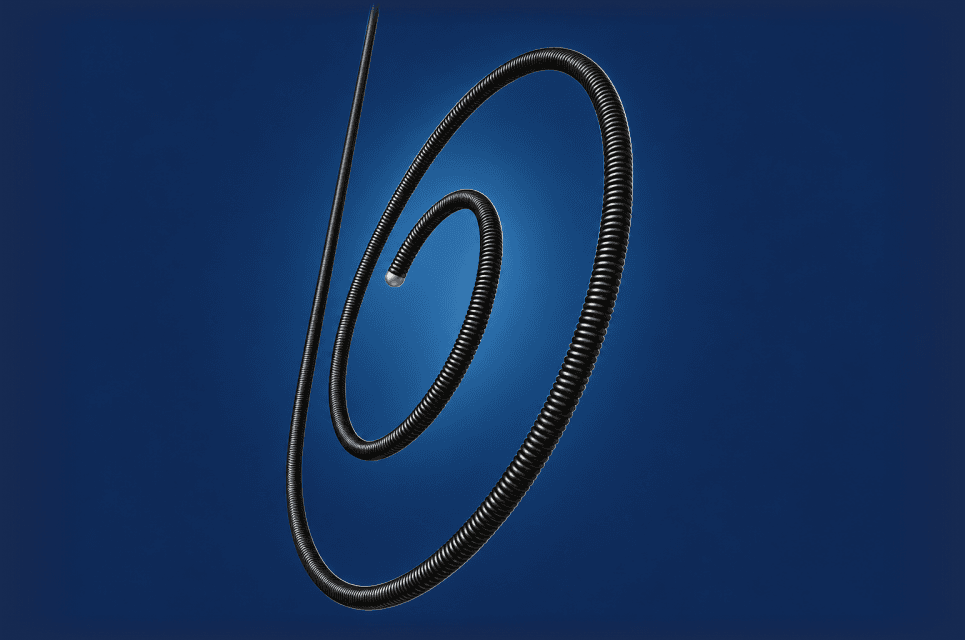
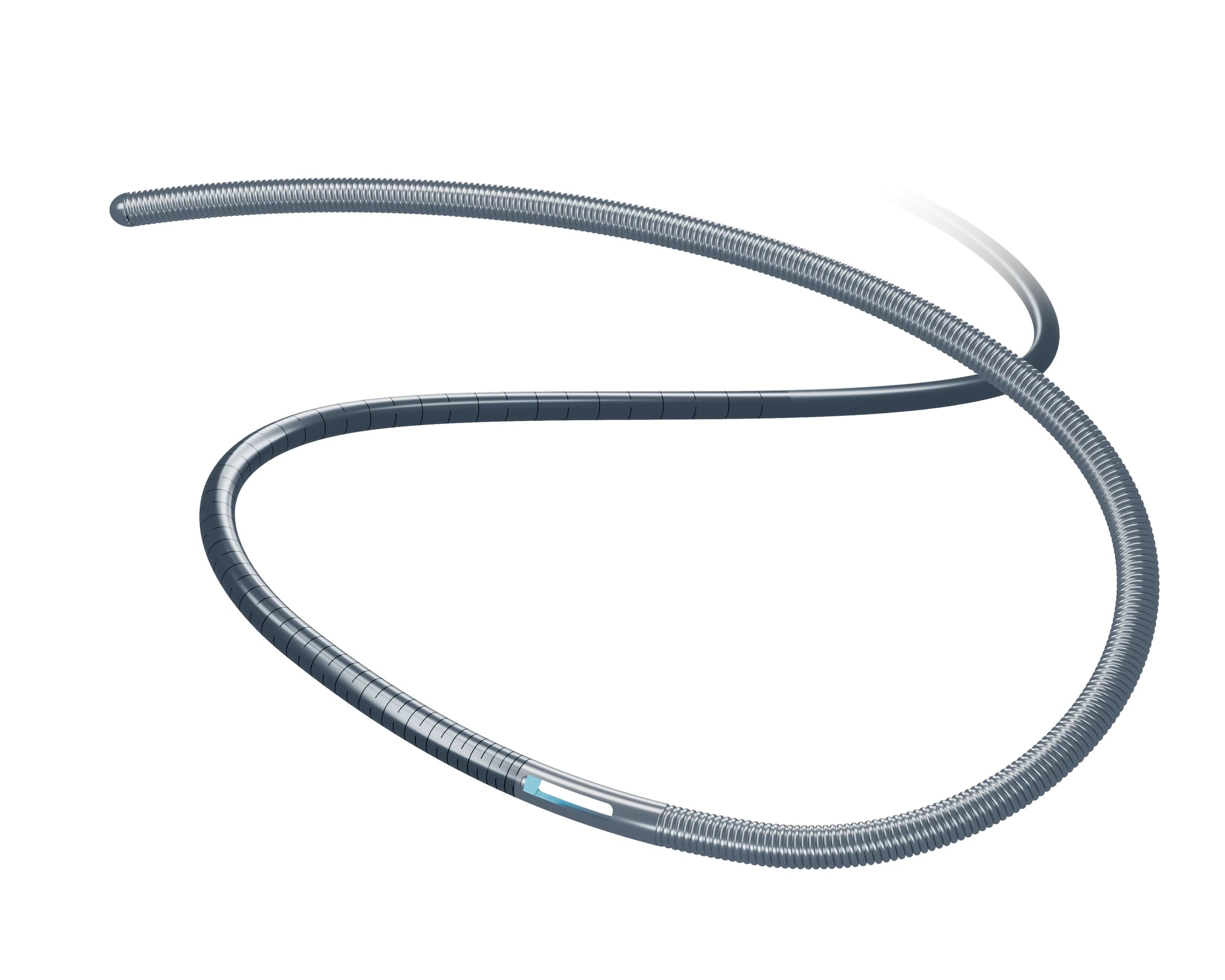
The optical pressure guidewire measures the pressure difference across vascular lesions while also serving as guidewire support during intervention, combining sensing, device structure, and system pairing in one solution.
Applications
Pressure-gradient measurement across coronary lesions
FFR functional assessment
Guidewire support during percutaneous intervention
Key highlights
Fiber-optic sensing route with technical characteristics less sensitive to electromagnetic interference
Distal 35 cm hydrophilic coating with a 3 cm shapeable radiopaque spring tip
Used together with the FFR measurement system and pressure receiver
Product composition
Pressure guidewire
Torque handle
Handle fiber-cable assembly
Intended use
Measure pressure difference across lesions in the vasculature
Measure coronary lesion pressure-gradient changes during PCI procedures
Function as a guidewire during intervention
Key specifications
Model
FFR14180
Nominal OD
<= 0.37 mm
Length
180 +/- 9 cm
Coating length
35 cm hydrophilic coating
Shelf life
3 years
Technical principle
Fiber-optic pressure sensing route
This product follows a fiber-optic pressure sensing route, with emphasis on miniaturized integration, lower sensitivity to electromagnetic interference, and system-level pairing.

Pressure measurement based on optical signal transmission
Suitable for integration into guidewires, catheters, and other miniature devices
Expresses the company's capability in core sensing, structure design, and system integration
External pressure deforms the flexible membrane and changes the Fabry-Perot cavity length, enabling pressure measurement through reflected optical signal demodulation.
Materials & Contact
Request materials and continue the discussion
After reviewing the product positioning, use scenarios, and key characteristics, continue with materials requests, fit confirmation, or technical discussion.